JennAir Beverage Center Temperature Fluctuations: Maintenance Habits That Improve Stability is best approached as a prevention routine: preserve the operating conditions the appliance needs, record changes over time,…
Temperature swings in a JennAir beverage center usually come from conditions around the unit, such as blocked ventilation, a full warm load, frequent door openings, or a setting pushed colder, before they come from a fault in refrigeration. Clear the ventilation, adjust one habit at a time, and watch the trend. If drift continues after that, book a diagnosis.
JennAir Beverage Center Temperature Fluctuations: Maintenance Habits That Improve Stability is best approached as a prevention routine: preserve the operating conditions the appliance needs, record changes over time, and recognize when routine care has reached its limit.
Do not change several conditions at once. If power is reset, settings are changed, filters are cleaned, and the appliance is moved in the same attempt, the evidence becomes harder to interpret.
| What you notice | What it can point to | What you can safely check |
|---|---|---|
| Warmer after loading many bottles | A large warm load that needs hours to settle | Give it time before changing the setting |
| Swings through the day | Frequent door openings or a sealing issue | Check that bottles do not block the door seal |
| Runs almost constantly | Normal cycling, a colder setting, or restricted airflow | Compare the run pattern to what JennAir describes as normal |
| Stays warm despite a clear setup | A real fault inside the unit | Book a diagnosis with the model number and your temperature log |
JennAir beverage centers and undercounter refrigeration are sensitive to ventilation clearances, door sealing, loading, and room conditions. Tight cabinetry or blocked front ventilation can create performance symptoms that look like internal refrigeration faults.
Maintenance is useful when it preserves airflow, water flow, sealing, filtration, loading, ventilation, cleanliness, and stable utility conditions. It should not become disassembly. If the same symptom returns after correct care, move to diagnosis rather than stronger chemicals, repeated resets, or random parts.
The goal is to collect evidence without changing several variables at once. One controlled observation is more valuable than repeated resets, random parts, or disassembly that changes the original symptom.
Some cycling is normal, because the motor runs for part of the time at room temperature. Drift is a temperature that stays off even after the load, door and room habits are ruled out.
JennAir’s Product Help page says the motor runs about 40 percent to 80 percent of the time at normal room temperature, and more in warmer conditions. A beverage center that seems to run a lot is not necessarily faulty, and the page also warns against installing it where the room drops below 55F.
A real drift looks different: temperature that keeps rising, or that fails to recover after a short period of normal use. Watching a thermometer over several hours tells you more than a single reading.
A good diagnostic visit should reproduce the symptom or use your observations to select a narrow test path. Depending on the appliance, that may mean comparing temperature or sensor readings, checking a fan or pump command, confirming water flow, evaluating ignition behavior, reading stored diagnostics, checking control output, or proving that the external installation and utility conditions are normal.
The goal is not to replace the most commonly mentioned part. The goal is to identify the failed system, confirm that the proposed repair matches the exact model, and explain what work is inside the appliance repair scope.
Leave built-in, panel-ready, or tightly fitted JennAir appliances installed unless the service team specifically asks for access. Unplanned extraction can disturb cabinetry, panels, flooring, gas, water, drain, ventilation, or electrical connections and create a second problem.
If the appliance is integrated, provide access information when booking: custom panels, service elevators, gated entry, parking/loading limits, unusual cabinet clearances, or adjacent appliances that restrict service access.
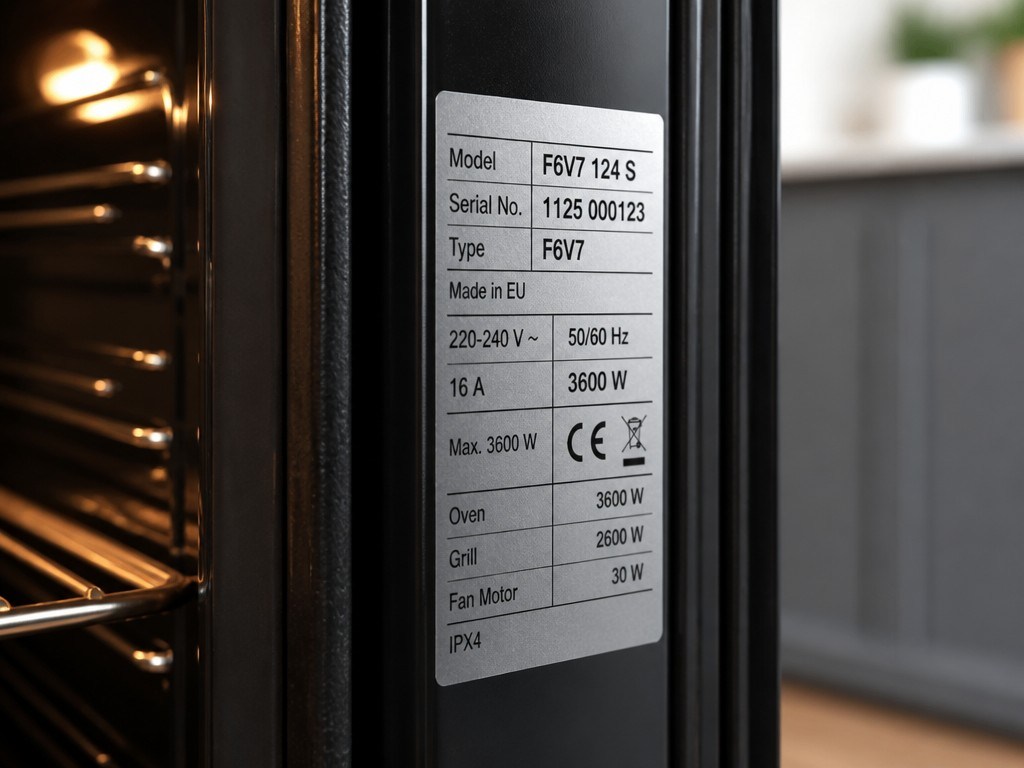
Write down the complete JennAir model number, the exact symptom in one sentence, when it began, whether it is constant or intermittent, what related function still works normally, and any displayed code, message, light pattern, or alarm before power is reset. Also note recent power, water, gas, drain, ventilation, cleaning, filter, or installation events.
These details often reduce duplicate owner-level checks and help the technician arrive with a better model-specific starting point.
Do not clear codes before documenting them. Do not order a part because another JennAir owner reported a similar symptom. Do not apply one code meaning across unrelated appliance families. The site technical library must keep appliance/model context, especially for F/E-style codes that can appear on different platforms.
Avoid internal electrical testing, gas-pressure work, sealed-refrigeration work, safety-device bypassing, or microwave cabinet removal. Those steps require proper service information, tools, and training.
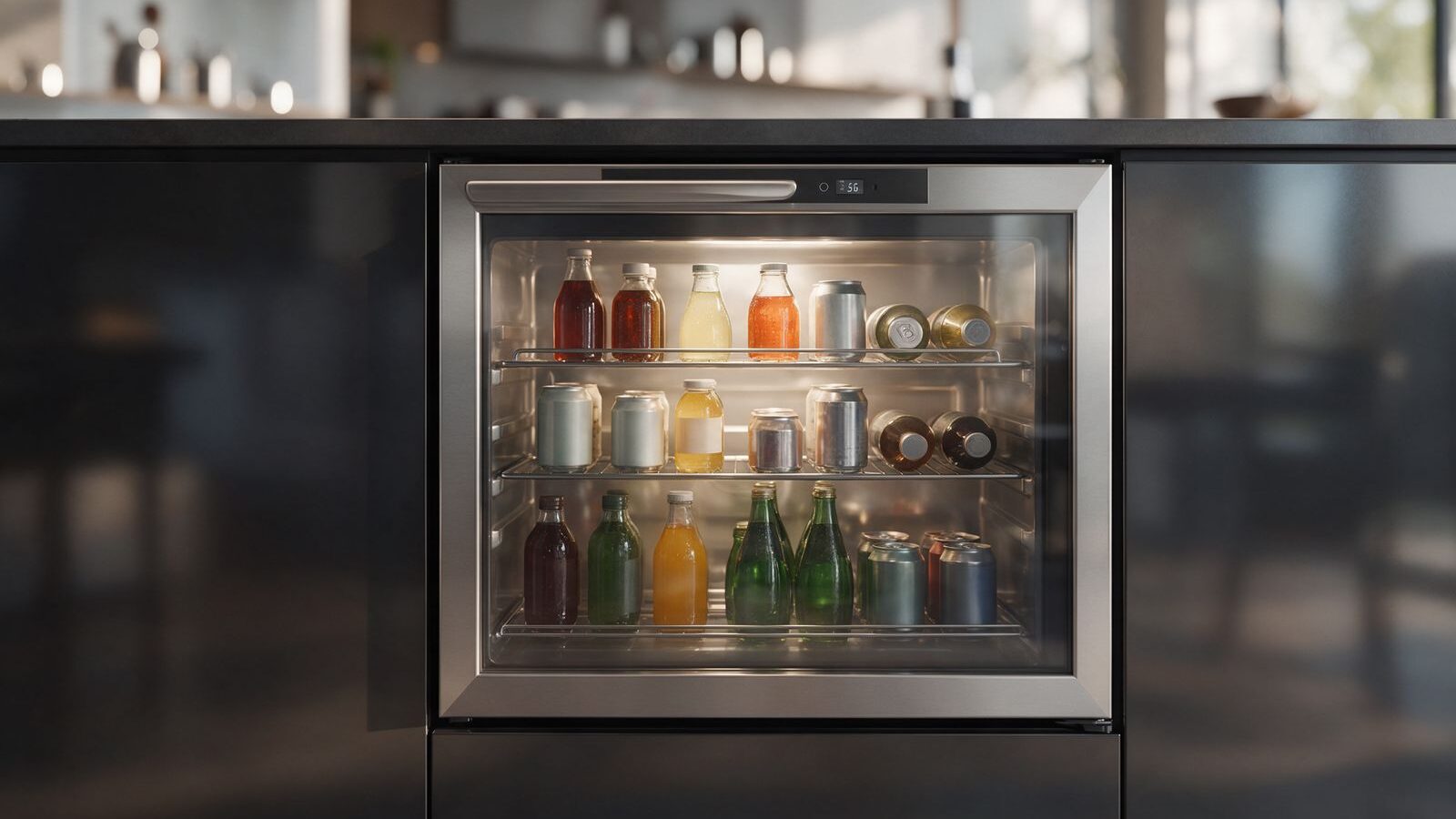
Large warm loads take hours to stabilize, so adding many room-temperature bottles at once can look like a failure for the first part of the day. Colder settings make the unit run longer, and frequent or long door openings add warmth.
Installation matters too. JennAir cautions against installing a beverage center behind a cabinet door or with the base grille blocked, so check the front for obstructions. A cooler load, a clear grille, and a gentle setting often settle the pattern.
JennAir’s Product Help page says the motor runs for a large share of the time at normal room temperature. A colder setting or a warm load makes it run longer.
JennAir’s page says large warm loads take hours to stabilize, so wait before judging.
JennAir’s page advises against installing it that way because airflow is restricted. Check the manual for your model.
For adjacent symptoms, read Why Your JennAir Refrigerator Is Not Cooling and JennAir Refrigerator Leak Repair Cost: What Changes the Estimate. The JennAir error-code directory and JennAir model directory should be used when the exact code/model context is known.
If the live production route differs from the route above, preserve the working existing slug and map the link to that URL rather than creating a duplicate page.
Column or French-door running warm, frosting unevenly, or pooling water? We diagnose JennAir refrigeration inside the install and restore stable temperatures.
Use one normal manual-approved restart when appropriate. Record any code or message first. If the same symptom returns, repeated resets are not a repair.
Usually no. Similar symptoms can come from different components, installation conditions, or external utilities.
No. Keep homeowner checks external and model-appropriate.
Yes. JennAir has multiple product generations and appliance families. The same symptom or code can require a different diagnostic path on another platform.
How to Clean JennAir Stainless Steel Without Damaging It is best approached as a prevention routine: preserve the operating conditions the appliance…
Continue readingPreventive Maintenance for Built-In JennAir Appliances is best approached as a prevention routine: preserve the operating conditions the appliance needs, record changes…
Continue readingWhere to Find a JennAir Model and Serial Number Before Maintenance or Service is best approached as a prevention routine: preserve the…
Continue readingShare a few details and we’ll confirm an appointment. Prefer to talk? Call us and we’ll help right away.