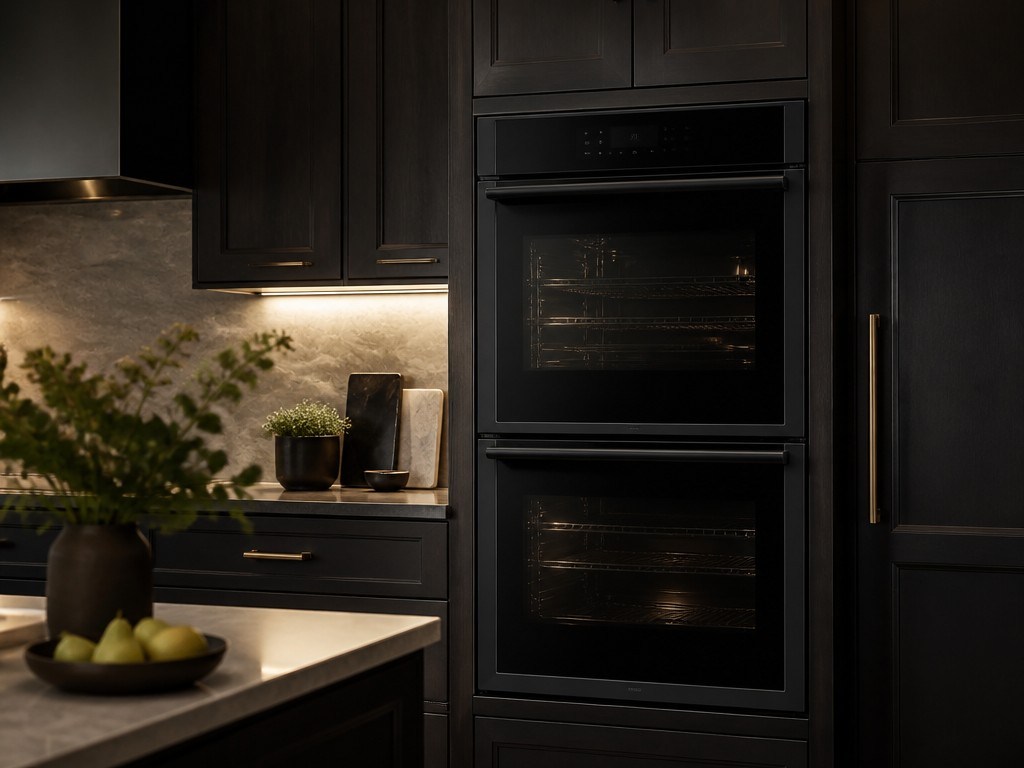
Luxury JennAir kitchens reward a calm maintenance rhythm—filters, seals, and ventilation—more than emergency heroics when guests are due.
Preventive care for a JennAir built-in suite comes down to four habits: keep air paths open around refrigeration, keep ventilation filters clean, stay on top of water filters, and look at door seals now and then. Follow the schedule in the use-and-care manual for each appliance, because the right tasks differ by model. Anything involving gas connections, high-voltage wiring or sealed refrigeration belongs to a technician.
Built-in suites integrate columns, ovens, rangetops, and drawers into one visual statement. Hidden appliances fail quietly when small chores are deferred year after year.
Preventive care is not obsession—it is the difference between a ten-minute filter rinse and a flooded toe-kick during Thanksgiving.
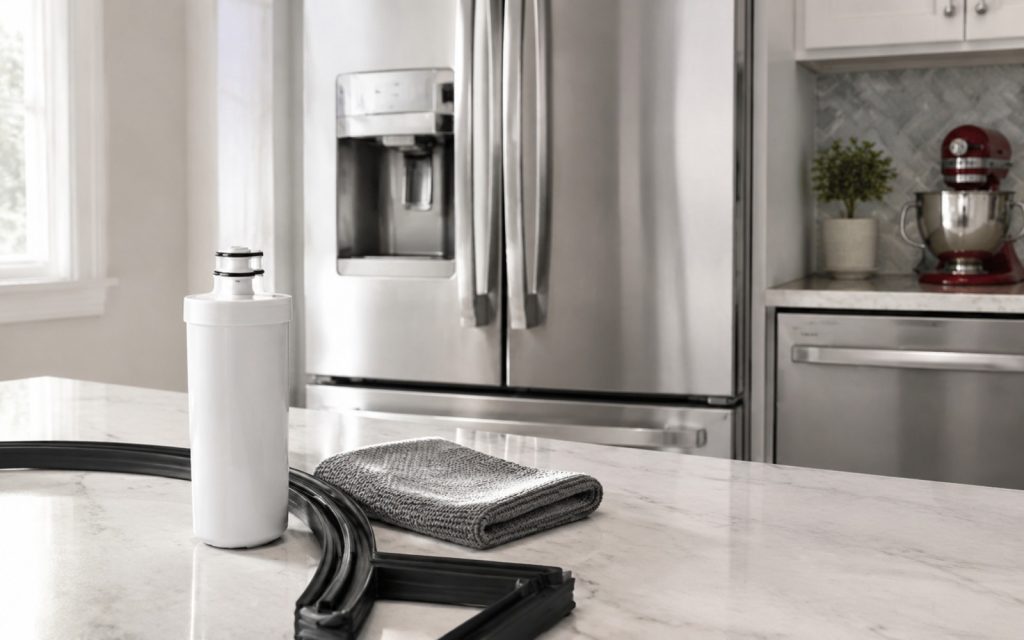
Refrigeration and ice: clean condenser grilles, replace water filters, verify door seals seasonally—columns breathe through toe-kicks easily blocked by remodel dust.
Cooking: inspect oven gaskets, run hood or downdraft filters through degreasing cycles, confirm gas burners cap-seated after deep cleans.
Support appliances: dishwasher filter cups, compactor bag sizing, warming drawer crumb trays—small tasks with outsized reliability impact.
A freestanding appliance can be pulled out, vacuumed behind and pushed back. A built-in cannot, so the care that fits a suite is mostly the care you can do from the front: filters you can lift out, grilles you can see, seals you can touch and settings you can read. Each appliance in the run has different needs, which is why one calendar for the whole kitchen works better than remembering tasks one at a time.
Refrigeration is the area where model differences matter most. On many JennAir refrigerators, the condenser needs no routine cleaning in a normal home, while some kitchens that are greasy, dusty or busy with pets call for more frequent vacuuming of accessible grilles. Some models need no coil cleaning at all, and others allow it only by a technician. The manual for your model settles which applies.
| Interval | Task | Applies to |
|---|---|---|
| Monthly (heavy use) | Degrease vent filters | Hood, downdraft |
| Every 6 months | Condenser / grille vacuum | Columns, wine, beverage |
| Annual | Water filter replacement | Fridge, ice, some dispensers |
Use manufacturer-approved cleaners on stainless and panel-ready finishes—harsh abrasives cloud premium surfaces permanently. For traditional stainless, the manufacturer’s care page describes warm water, liquid detergent and a nonabrasive sponge, rubbing along the grain and then drying with a soft cloth; leftover water can leave marks, so drying matters.
Schedule professional inspection for gas connections and high-voltage stacks—you maintain accessibility; licensed service verifies safety-critical paths.
Safe to try
Leave to a technician
Entertaining seasons stress ice makers, dishwashers, and ovens simultaneously—pre-season maintenance beats mid-party outages.
Summer heat loads condensers in paneled runs; winter dry air affects gasket flexibility—adjust checklist by climate modestly.
Spills deserve the same seasonal attention. On stainless hoods and downdraft vents, the manufacturer’s guidance is to let the appliance cool completely before cleaning acidic spills such as vinegar or tomato, because they can affect the finish.
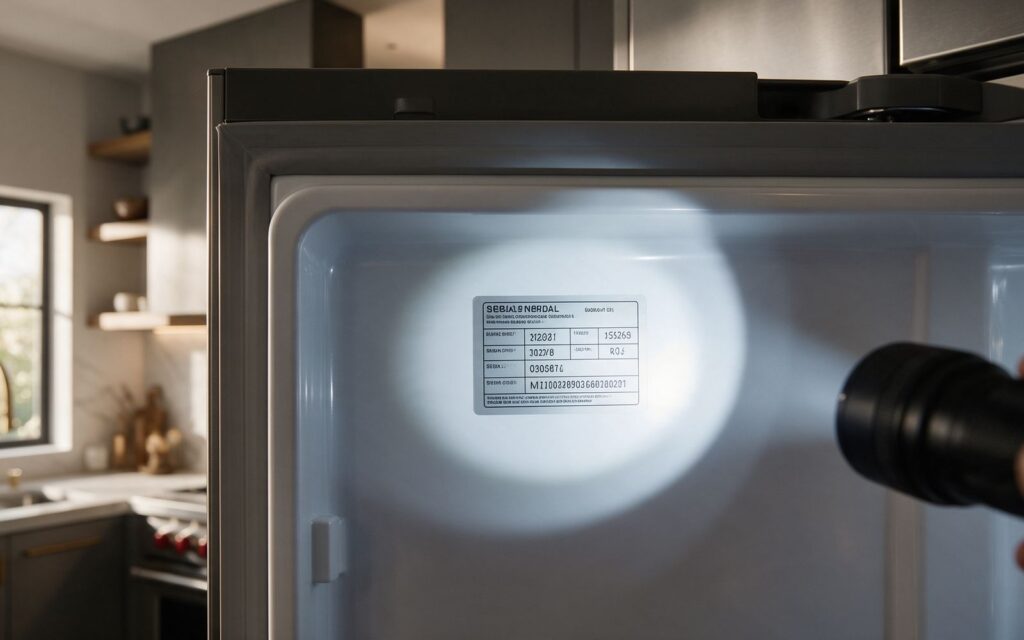
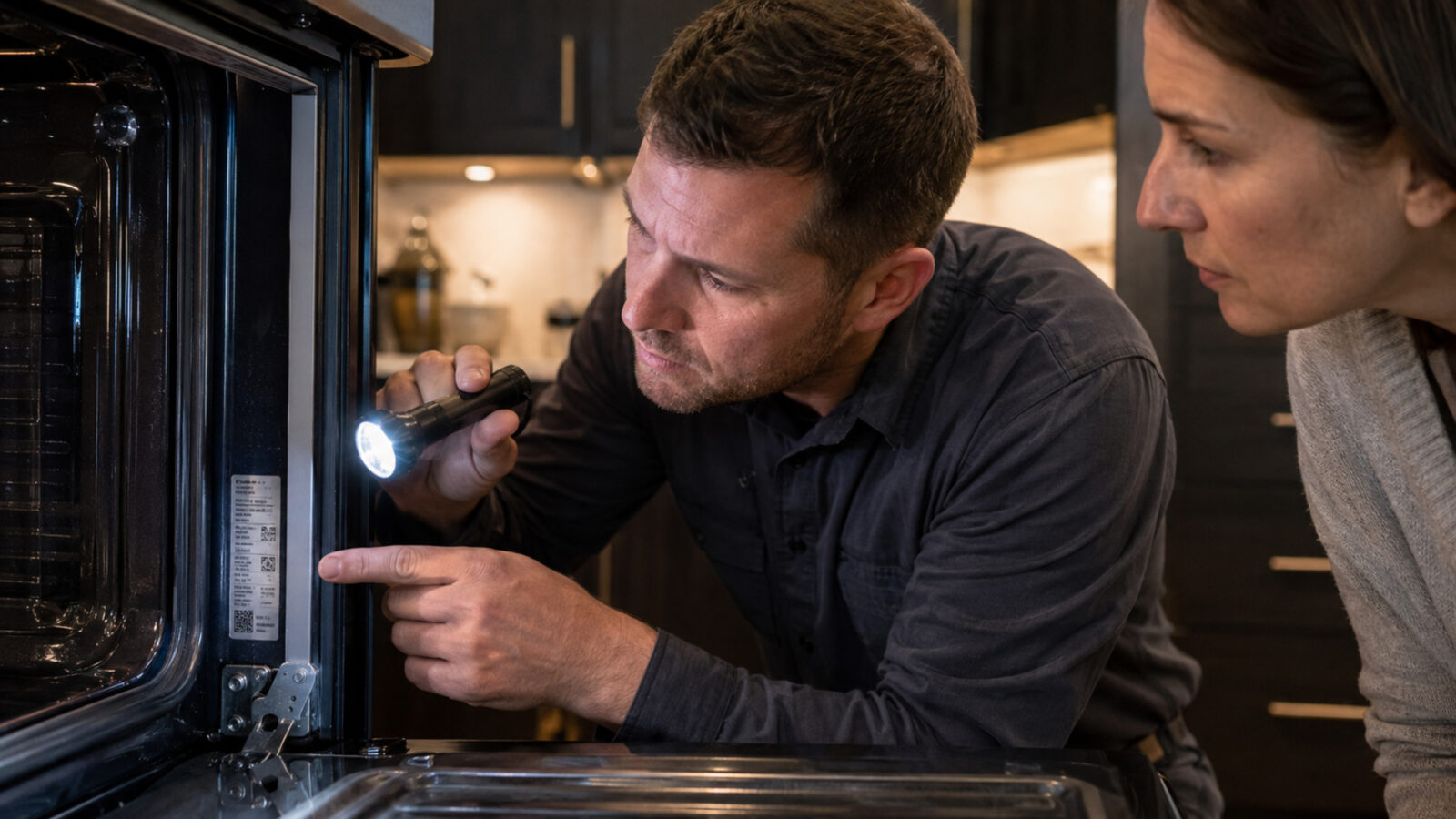
Once a month, kneel and look into refrigeration toe-kicks with a flashlight—dust there predicts warm columns weeks later. Look for lint, pet hair or remodel dust packed against the grille, and make sure nothing stored nearby is pressing against it.
Technicians complement owner care with gas leak checks, oven calibration, and refrigeration performance audits on multi-unit suites.
Treat the table above as a framework rather than a rule. A water filter on one refrigerator may be tied to an indicator light, while another expects a replacement on a calendar. On many JennAir models the guidance is to replace the filter when the indicator comes on or on the stated schedule, whichever the manual says for that unit. A dishwasher filter, a hood filter and a refrigerator grille each have their own cleaning method, and mixing them up is how well-meant maintenance causes damage.
When a task is not listed for your model, leave it alone and ask rather than improvising. That applies most to anything behind a panel, anything involving gas or anything that needs a tool to open.
Built-in luxury runs on quiet consistency. Adopt a short seasonal checklist, keep photos and dates, and pair owner care with occasional professional eyes on the paths you cannot see.
There is no single interval that fits every suite. Follow the use-and-care manual for each appliance for owner tasks, and consider a professional visit when something changes, such as longer cooling recovery, weaker ventilation or a gas burner that lights unevenly.
Only through the openings the manual describes, such as a front grille. Pulling a built-in column out of its cabinet can disturb water, electrical and trim connections, so leave that to service staff.
No. Self-clean is a separate high-temperature function with its own preparation steps, and routine wipe-downs keep heavy buildup from accumulating in the first place.
Keeping air paths and filters clear usually matters most, since refrigeration grilles, hood filters and dishwasher filters all affect how hard each appliance has to work. Water filters on refrigerators with ice or water dispensers come next.
Official manuals and support notes are available on JennAir owner support.
Write down the full model number before ordering parts. Board and sensor revisions can change which part number is correct.
A single power reset can clear a temporary fault, but repeated returns of the same code usually mean a physical cause remains.
Keep vents and filters clear between visits. Restricted airflow often mimics electrical or sensor failures.
If water, burning smells, or sparking are present, stop using the appliance and arrange a professional inspection.
Every one to two years for busy suites; sooner if gas or cooling concerns appear.
Depends on suite age and use—we can advise during visits without selling warranties.
OEM or certified equivalents—wrong filters restrict flow on columns.
No—self-clean is stressful; routine wipe is gentler on seals.
Built-in JennAir replacements involve cabinetry, panels, and plumbing—not just box swaps. Repair often wins when the suite and finishes still have years…
Continue readingJennAir kitchens mix exposed stainless with panel-ready fronts. The wrong cleaner on either surface leaves permanent shadows in a room built to…
Continue readingModel and serial plates on JennAir built-ins hide behind panels and toe-kicks. Knowing where to look saves time on every service call…
Continue readingShare a few details and we’ll confirm an appointment. Prefer to talk? Call us and we’ll help right away.