Built-in JennAir replacements involve cabinetry, panels, and plumbing—not just box swaps. Repair often wins when the suite and finishes still have years to give.
Whether to repair or replace a built-in JennAir comes down to what failed, how the appliance is installed, and what a replacement would involve in your cabinetry. Get the diagnosis first, then compare the repair quote with the full installed replacement, including panels, trim and reconnections. A single failed component is a different question from several failures at once.
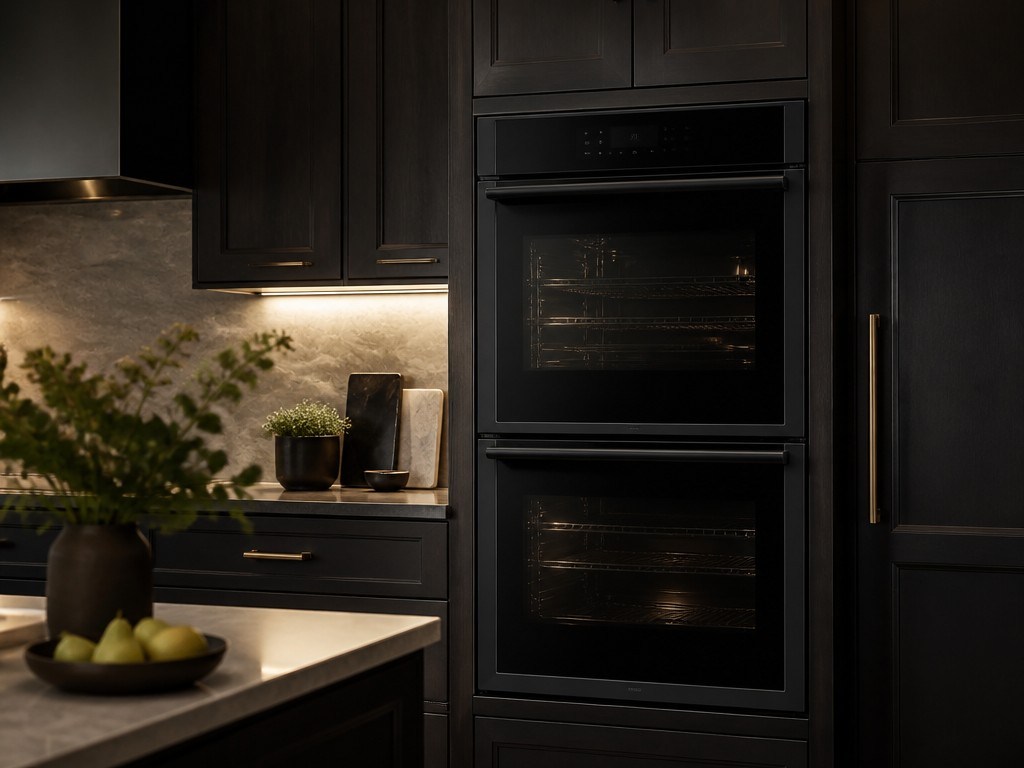
A failing column or wall oven in a coordinated kitchen raises a question bigger than parts cost: will replacement fit the panels, ventilation, and aesthetic you already invested in?
Repair shops see both paths daily. The right choice weighs age, failure type, install complexity, and how long you plan to stay in the home.
Panel-ready dishwashers and columns require matching widths and hinge routines—replacement is a cabinet project, not a Saturday delivery.
Sealed-system failures on older columns cost more than control or water valve repairs—but still may beat full column replacement plus trim shop work.
Multiple simultaneous failures across a suite sometimes signal upstream electrical or install issues repair alone will not cure.
Ask what failed. A control, valve or pump fault is a defined repair. A problem that keeps returning after repairs, or several failures across the kitchen, is a different conversation.
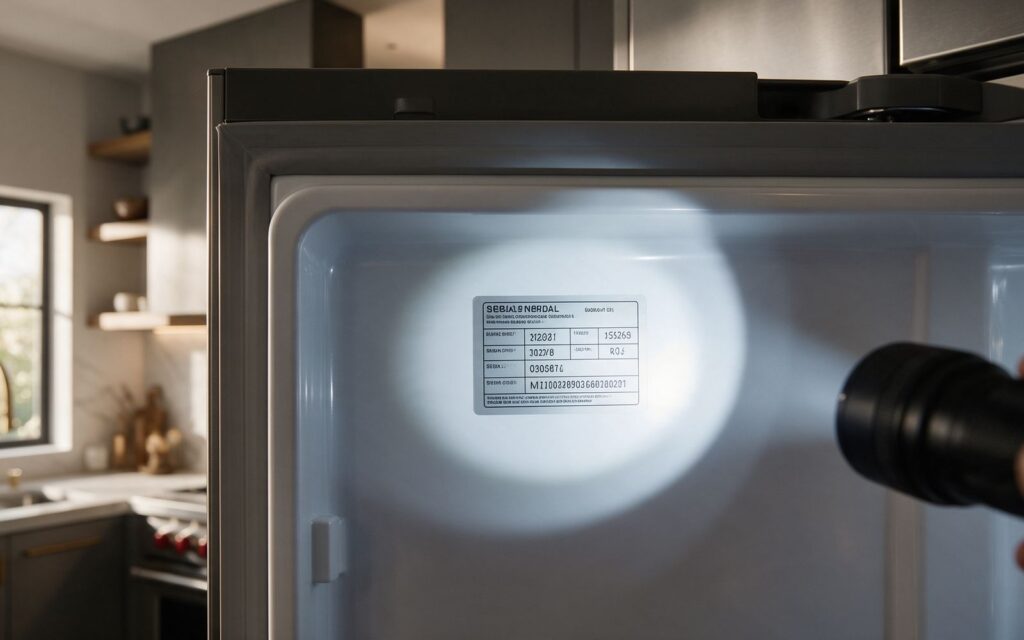
Ask about the model. Parts and service information depend on the exact model, which is why the rating plate matters. On many wall ovens it is on the right mounting rail, and on dishwashers it is on the tub frame.
| Scenario | Repair often wins | Replace often wins |
|---|---|---|
| Single valve or pump | Yes | Rarely |
| Control board on mid-age unit | Often | If parts obsolete |
| Sealed system on 15+ year column | Case by case | If cabinetry refresh planned |
Obtain model and age from rating plates and closing documents before calling for estimates—both repair and replace quotes need them. Closing documents, if you have them, can show the age and the install date.
Get repair diagnosis before assuming replacement is required—some symptoms mimic total failure cheaply fixed.
Safe to try
Leave to a technician
Control, water, and ventilation failures on otherwise healthy built-ins usually favor repair—especially under ten to twelve years with available parts.
Remodel timelines that already include cabinet work may tilt replace when failure is catastrophic and rebates or efficiency gains matter.
A built-in appliance is fitted to cabinetry, panels, ventilation, and utility connections. A new unit may not match the opening or the panel, so replacement can mean work beyond the appliance itself. Delivery, removal and reconnection are part of the real cost.
Repair keeps the existing fit. It does not guarantee a result, but it avoids disturbing the surrounding kitchen when the failure is limited.
Replacement quotes must include delivery through cabinetry, water and gas reconnect, and panel refit—often thousands beyond appliance MSRP.
A failure that is isolated, such as a single water valve or drain pump, tends to point toward repair. A failure that comes with an installation problem, such as repeated tripping or ventilation issues, needs the cause found first, because a new appliance in the same conditions can fail the same way.
Look at what the appliance does for the kitchen. If it sits in a column or panel run, a change in size or door swing affects neighboring units. If it is a standalone unit, replacement is simpler, and the comparison depends more on repair history and parts.
Ask the service team what they would expect from the repair and what else might need attention. That gives you the information to compare with a replacement quote, where delivery, removal and reconnection are part of the real price.
After diagnosis we outline parts availability, likelihood of related failures, and install scope if replacement is chosen—we sell repair, not appliances, so advice stays conflict-light. Ask for the findings in plain terms so the comparison with replacement stays fair.
We coordinate timing with trim and general contractors when built-in swaps require more than one trade.
Age is one input, not the whole answer. The type of failure, parts availability and installation all count.
Yes. Some symptoms look like complete failure but come from a single part, and a diagnosis tells you which case you have.
Replacement may need matching panels and hinge work, so planning that first is worthwhile. That also affects timing.
Built-in JennAir decisions weigh more than a parts invoice. Diagnose first, compare installed replacement honestly, and choose the path that protects both function and the kitchen you designed.
Official manuals and support notes are available on JennAir owner support.
Write down the full model number before ordering parts. Board and sensor revisions can change which part number is correct.
A single power reset can clear a temporary fault, but repeated returns of the same code usually mean a physical cause remains.
Keep vents and filters clear between visits. Restricted airflow often mimics electrical or sensor failures.
If water, burning smells, or sparking are present, stop using the appliance and arrange a professional inspection.
Upfront often yes; replace may win on old sealed-system totals plus install.
We focus on repair—replacement referrals stay neutral when needed.
Sometimes with adapter kits—verify before ordering.
Often weeks for unit plus trim—plan entertaining accordingly.
Luxury JennAir kitchens reward a calm maintenance rhythm—filters, seals, and ventilation—more than emergency heroics when guests are due.
Continue readingJennAir kitchens mix exposed stainless with panel-ready fronts. The wrong cleaner on either surface leaves permanent shadows in a room built to…
Continue readingModel and serial plates on JennAir built-ins hide behind panels and toe-kicks. Knowing where to look saves time on every service call…
Continue readingShare a few details and we’ll confirm an appointment. Prefer to talk? Call us and we’ll help right away.